Supplement advertising has a recognizable playbook: a dramatized 'discovery' story, an expert who sounds credentialed but is hard to verify, a mention of a famous university, and a countdown timer pushing you to buy before you've finished reading.
None of that tells you whether the product itself is legitimate. A real supplement with an accurate label can still be sold through a wildly exaggerated ad — and a completely fake product can borrow the same tactics.
A few practical checks help: search the named expert or institution directly rather than trusting the ad's framing. Look for an actual Supplement Facts panel, not just a list of buzzwords. And treat 'secret' or 'suppressed' discovery language as a warning sign rather than a selling point — legitimate research is published, not hidden.
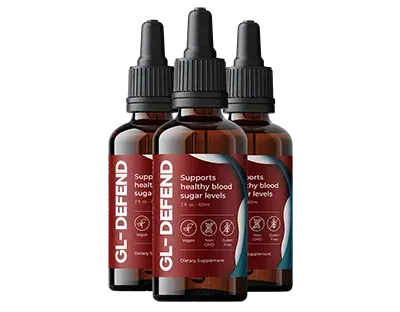
This is exactly the approach we've tried to take with GL-Defend on this site: report what's on the label and in the published research, and say plainly where the surrounding marketing goes further than either one supports.
Check Current Price